
Honey Perfumes
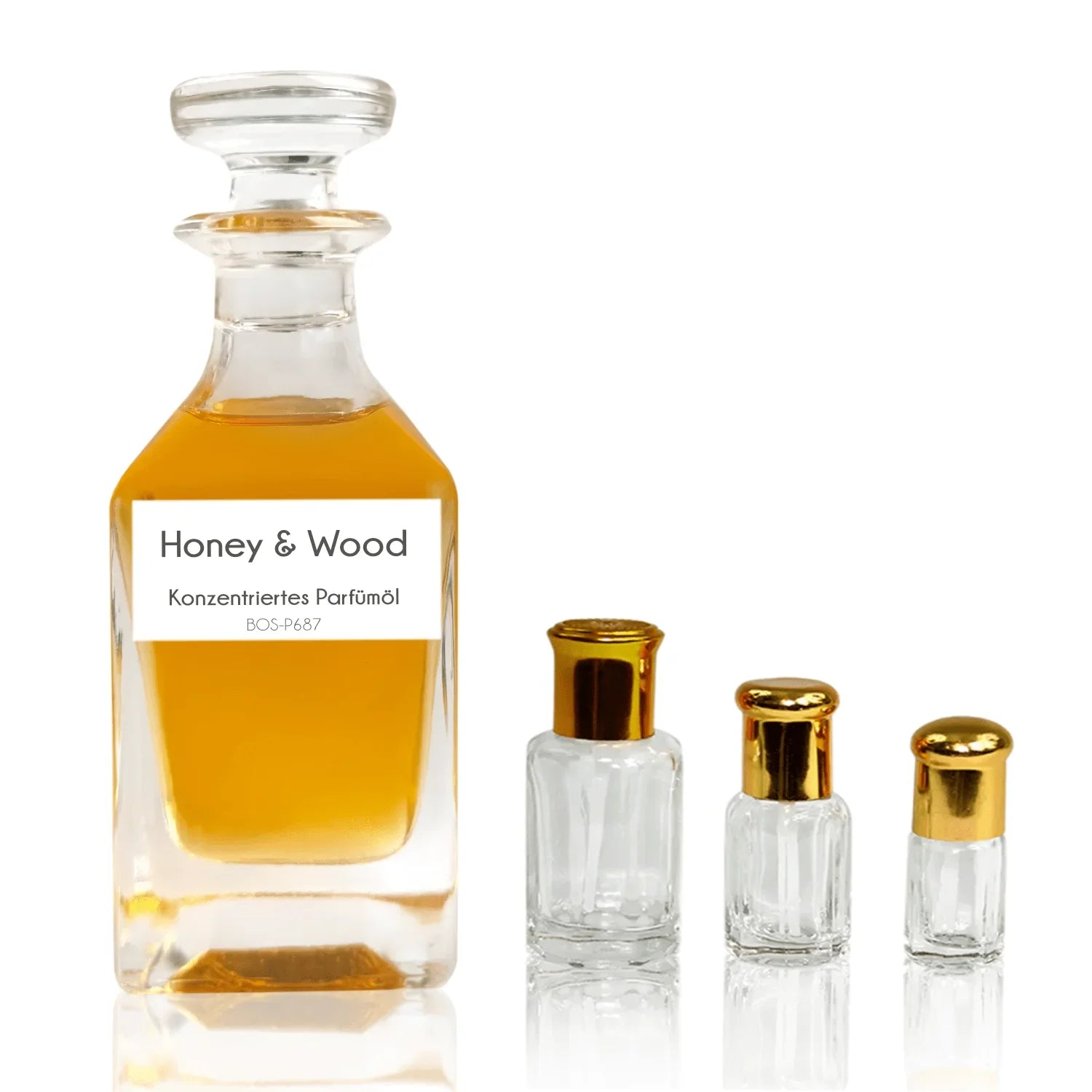
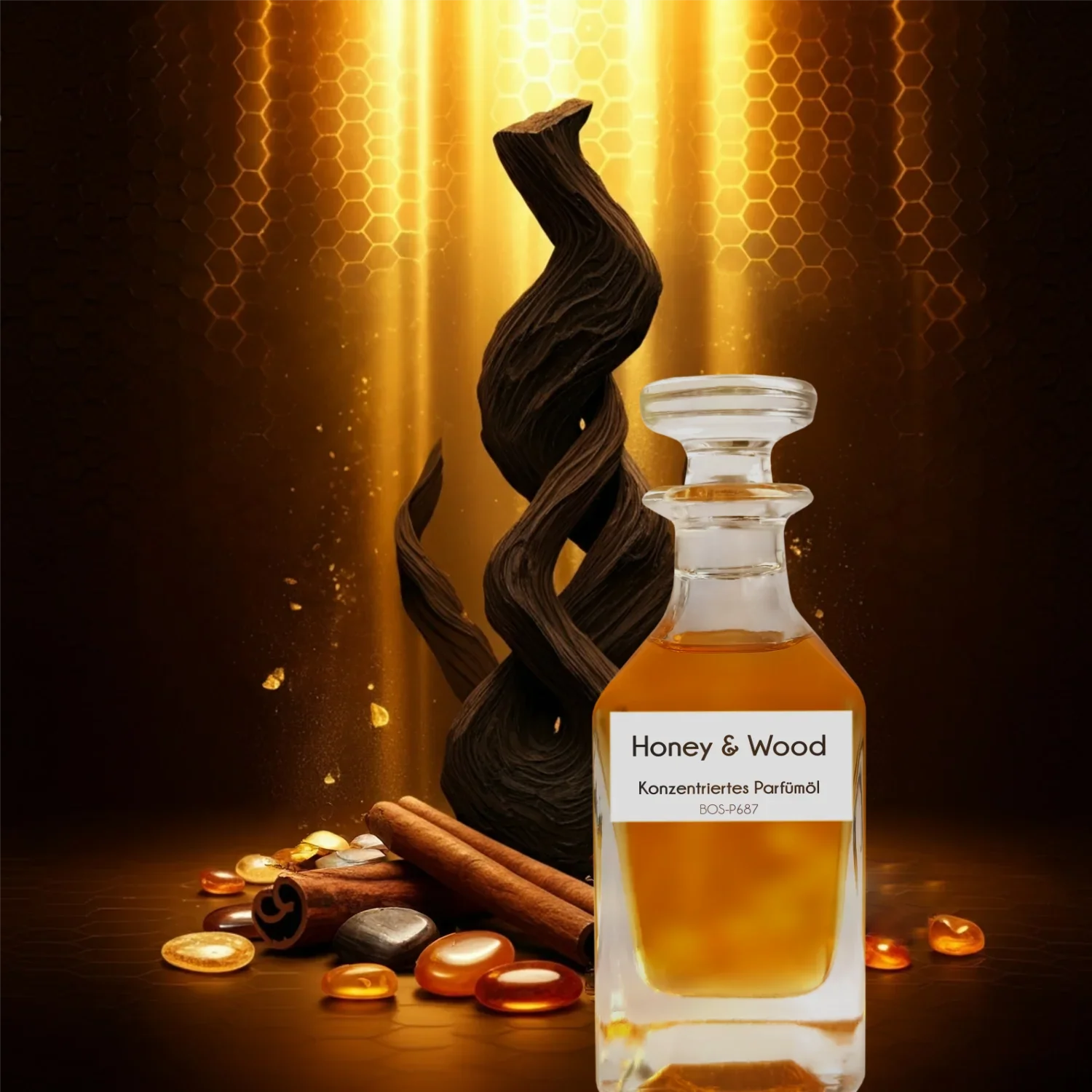
Honey can smell soft and golden, floral, creamy, spicy or dark in perfume. This selection includes fragrances that list honey or white honey in the top, heart or base notes.





Frequently Asked Questions
Is honey perfume always very sweet?
No. Vanilla and caramel emphasise sweetness, while bergamot, florals, woods, tobacco, leather or oud can create a fresher, more refined or more assertive contrast.
Which fragrance notes pair well with honey?
In our verified selection, honey frequently appears with vanilla, patchouli, musk, jasmine, amber, caramel, rose, bergamot and sandalwood. Tobacco, oud, leather and spices also create distinctive combinations.
Are there perfumes with white honey or honeycomb here?
Yes. Alongside classic honey, you’ll find fragrances with white honey and honeycomb. Depending on the notes around them, they can smell lighter, creamier, more floral or especially warm.
Let customers speak for us
Einfach mein Duft, klasse

Einfach nur wow! So ein einzigartiger Duft. Hält über 8h und ist super gefällig. Geeignet als Signature Duft. Kein typischer aufdringlicher Wäsche-Moschus-Duft, sondern wunderbar cremig und balsamisch ! Ein Träumchen!

Wer die lila Reihe von S** d* J****** mag, ... hier ist das passende Parfum! Mein Lieblingsduschgel nun auch als Parfum! So wunderschön gemacht, keine Kratzer Note, alles wohlig umspielend. Haltbarkeit 8h!

Mega Duft , sehr intensiv und langanhaltend

Bestelle gerne hier. Top Qualität,schnelle Lieferung

Wie immer, tadellos.

Liebe ich.Nutze ich wenn ich mich sauber fühlen möchte. Man wird schnell geruchsblind,und riecht es dann nicht mehr. Am besten also eine Pause und dann wieder tragen

Ich habe hier das wunderbar duftende Parfüm Ana Abiyedh Poudree bestellt. Die Lieferung war äußerst schnell, und auch sehr umsichtig verpackt. Leider funktionierte der Sprüher nicht, und ich kontaktierte den Kundenservice. Hier wurde mir wirklich sehr nett und zuvorkommend ohne Probleme geholfen. Danke nochmal dafür!
Diese Firma kann ich nur empfehlen, und ich werde bei Bedarf immer wieder hier einkaufen!❤️

Frischer Morgentau auf einem Bouquet von Rosen. Ein wunderschöner Duft 🌹💧

Ein fruchtig-holziger, grüner Herrenduft, der von Anfang an Energie versprüht.
Besonders geeignet für Frühling und Sommer, aber auch perfekt als Alltagsduft.
Eine hochwertige Interpretation von Gr**nle*, die dem Original sehr nahe kommt – und das zu einem Bruchteil des Preises. Verpackung und Flakon sind hochwertig, und die Lieferung erfolgte schnell.

Ein sehr hochwertig riechender Vanilleduft mit Tiefe und Würze. Ich bekomme karamelisierten braunen Zucker mit Würze. Sillage, Haltbarkeit sind gut. Soll eine Alternative zum verschwindenden Gourmand sein, habe das Original nie gerochen, mag diesen als eigenständigen Duft.

Ich habe noch nie so viele Komplimente für einen Duft bekommen, wie für diesen! Riecht unglaublich lang und in Kombi mit Lataffa-Yara ein unglaubliches Dufterlebnis. Würde ich jedem Gourmand-Liebhaber empfehlen!

Mein Lieblingsduft mit Geflüster in der Biblio... ist wieder da!!!!! Das Original gibt es leider nicht mehr, aber hier kann man getrost zugreifen. Bin echt glücklich!!!

Habe diese Hosen schon vor über 10 Jahren in Grau, Schwarz und Beige geholt. Haben bis heute gehalten und sind im Sommer super bequem.

Ich hätte nie gedacht, dass ein "grüner Duft" so kuschelig sein kann. Ja, man riecht den grünen Tee aber auch die süße der der Basisnote. Ich fühle mich richtig heimisch mit diesem Duft. Es riecht einfach unglaublich und ist einer der besten Düfte die hier angeboten werden. Das "Original" oder eher das Vorbild ist mir viel zu teuer und hält für mich auch nicht so lange, wie dieses Öl.
