Sandalwood Perfume: Which Sandalwood Fragrance Suits You?
Sandalwood is often simply described as “warm” or “creamy”. In a perfume, however, the note can feel very different. With fig, vanilla and musk, sandalwood becomes soft and rounded. Alongside bergamot, marine notes and vetiver, it can appear noticeably fresher and drier. Rose, saffron and oud lead the same woody note into a darker, more oriental direction.
That is why searching only for “sandalwood perfume” is not enough when making a choice. What matters is the notes that accompany the sandalwood. This guide compares three currently available fragrances from our range and shows three clearly different sandalwood profiles.
Find more options in our sandalwood perfume collection. You can also look up individual fragrance notes in our fragrance-note encyclopedia.
Sandalwood perfumes at a glance
| You are looking for … | A suitable choice | Fragrance character |
|---|---|---|
| creamy sandalwood with fig and musk | Fig & Musk | creamy, fruity, warm, woody |
| fresher sandalwood with vetiver and marine notes | Ejaazi | fresh, salty, dry woody |
| sandalwood with rose, saffron and oud | Oudh Ispahan | rosy, spicy, dark woody |
What does sandalwood smell like in perfume?
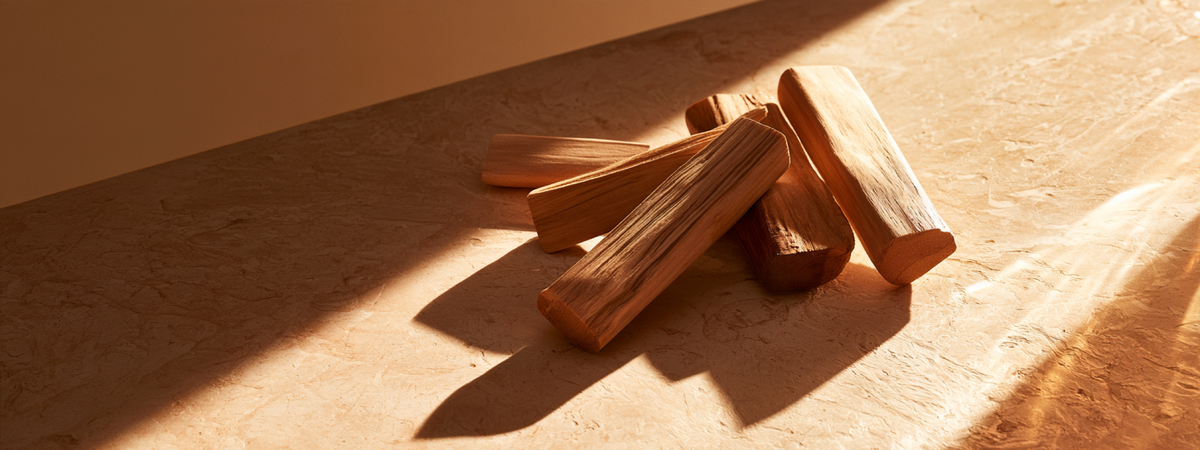
Sandalwood is a woody note, but it is often perceived as softer and creamier than very dry cedar or vetiver accords. Still, not every sandalwood perfume smells milky or sweet. Its effect depends strongly on the whole composition.
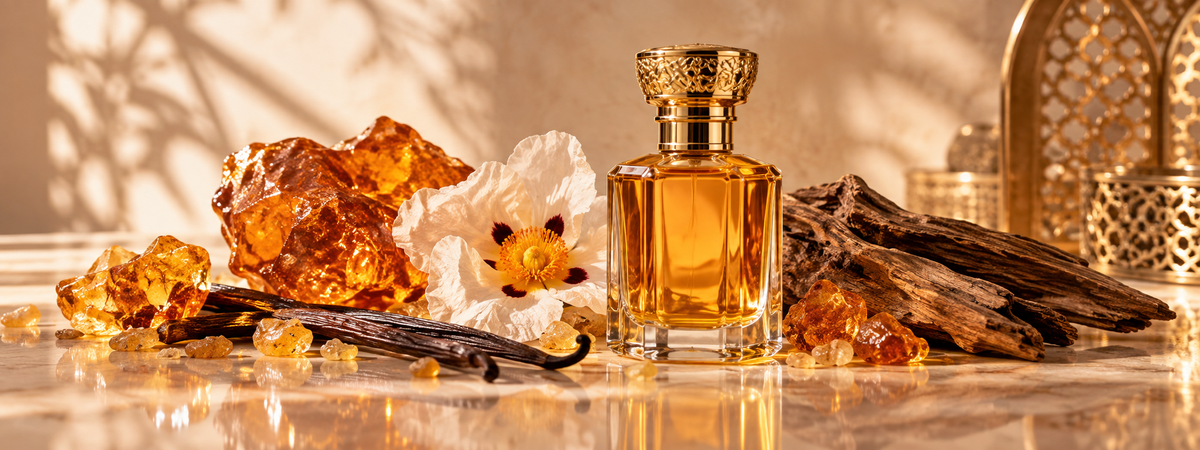
Vanilla, musk and amber can amplify sandalwood’s warm side. Citrus, vetiver and marine notes create drier, fresher contrasts. With rose, saffron, patchouli or oud, sandalwood gains a distinctly more oriental and darker setting.
For choosing a fragrance, the note pyramid is therefore more useful than the single word “sandalwood”.
1. Fig & Musk: creamy sandalwood with fig
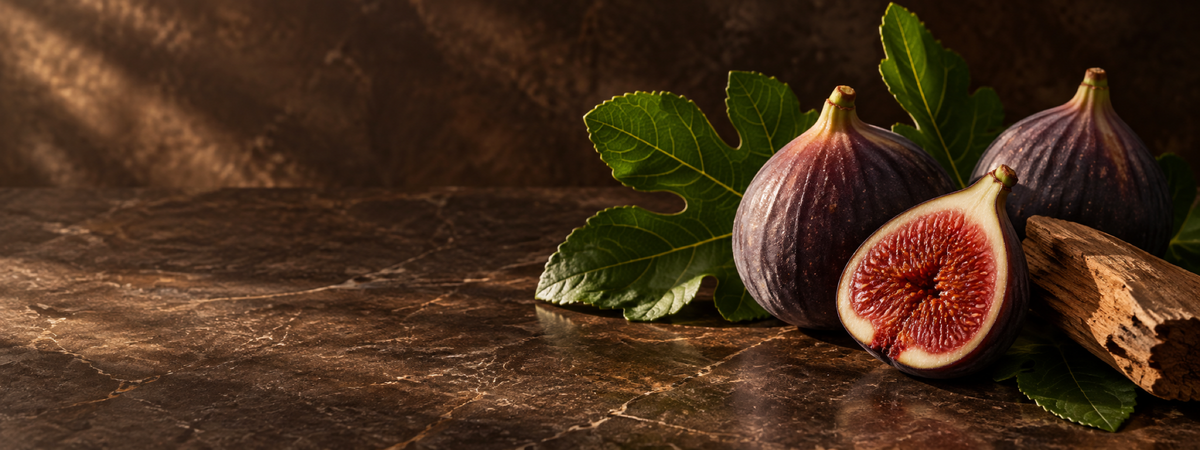
Fig & Musk by Sultan Essancy opens with fig and bergamot. Patchouli, Tolu balsam and cedarwood appear in the heart. The base combines sandalwood with musk, vanilla and amber.
Here sandalwood shows its softer, creamier side. Fig brings a fruity roundness, while Tolu balsam, vanilla and amber add further warmth. Cedarwood and patchouli ensure that the fragrance still reads clearly as a woody composition.
This direction suits you especially well if you want sandalwood with musk, vanilla and a soft fruit note. If musk is important to you too, you can compare our musk perfume guide.
2. Ejaazi: sandalwood with bergamot, marine notes and vetiver
Ejaazi by Lattafa opens with bergamot and marine notes. Vetiver and sandalwood form the heart. Ambergris and cedar make up the base.
This combination shows that sandalwood does not automatically have to feel sweet or heavy. Bergamot and marine notes give the opening a brighter, fresher direction. Vetiver creates a dry, earthy contrast to the softer sandalwood, while cedar extends the woody side in the base.
Of the three, Ejaazi is the clearest choice if you would like to discover sandalwood in a fresher, less gourmand setting.
3. Oudh Ispahan: sandalwood with rose, saffron and oud
Oudh Ispahan by Sultan Essancy begins with labdanum. Rose, patchouli and saffron appear in the heart. The base combines oud with sandalwood and cedarwood.
Here sandalwood is part of a much darker oriental woody structure. Rose and saffron set floral and spicy contrasts, while oud and cedar make the base more pronounced. Sandalwood does not take the lead alone; it connects with several warm and woody notes.
If you already like rose and oud, this is the most fitting sandalwood direction. For further woody oud profiles, see our oud perfume guide for beginners. If rose is your main starting point, find more options in our rose perfume guide.
Which sandalwood direction suits you?
- You like fig, musk, vanilla and amber: Fig & Musk.
- You are looking for bergamot, marine notes, vetiver and dry woods: Ejaazi.
- You want rose, saffron, oud and darker woods: Oudh Ispahan.
This way, you are not simply comparing three fragrances with the same woody note, but three very different ways of using sandalwood in a composition.
Sandalwood or cedarwood – what is the difference?
Both belong to woody fragrance directions, but they are often used differently in perfume. Sandalwood can support a softer, creamier effect. Cedarwood is usually perceived as drier and clearer. Many fragrances use both together.
Fig & Musk already demonstrates this combination: cedarwood is in the heart and sandalwood in the base. Oudh Ispahan also combines sandalwood with cedarwood and oud. Ejaazi, by contrast, uses sandalwood in the heart and carries the dry woody direction through cedar in the base.
Sandalwood with musk, vanilla or amber
Musk, vanilla and amber can reinforce sandalwood’s softer side. Fig & Musk combines all three with sandalwood in the base and is therefore the clearest example of a creamy, warm direction.
If you are actually approaching the search through vanilla or amber, you can compare additional options in our vanilla perfume guide and our amber perfume guide.
Is sandalwood perfume only for autumn and winter?
No. Sandalwood itself does not dictate a season. A composition with vanilla, amber and balsam can feel much warmer than one with bergamot, marine notes and vetiver. The deciding factors are the accompanying notes and your personal taste.
If you are looking for sandalwood for everyday wear or the office, a fresher and drier combination can be more suitable. For evenings or cooler days, warmer, spicier or oud-led directions can work well.
FAQ about sandalwood perfumes
Is sandalwood always creamy?
No. Vanilla, musk or amber can make sandalwood very soft, while vetiver, cedar or marine notes can make it markedly drier and fresher.
Which of the three fragrances is the creamiest?
Fig & Musk combines sandalwood with musk, vanilla and amber, making it the creamiest direction.
Which sandalwood fragrance is built the freshest?
Ejaazi opens with bergamot and marine notes and combines sandalwood with vetiver. That makes it the freshest and driest of the three.
Which sandalwood fragrance contains oud?
Oudh Ispahan combines oud, sandalwood and cedarwood in the base with rose, patchouli and saffron.
Does sandalwood work with musk?
Yes. Both notes are often used together. Fig & Musk shows this combination alongside vanilla and amber.
Discover sandalwood perfumes
Once you know your preferred direction, explore more options in our sandalwood perfume collection. When comparing, pay particular attention to the accompanying notes: fig and musk, vetiver and citrus, or rose and oud all change sandalwood’s character considerably.